Rss Feed
Tweeter button
Facebook button

Posts tagged: Jim Hirt

Downrigger Diversity Improves Your Success

Downrigger Diversity Improves Your Success
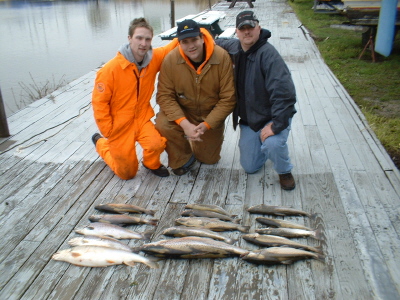
By Wisconsin fishing charter Capt. Jim Hirt
Let’s continue with downriggers. In the last article we covered the hardware, weights, releases and manual or electric models. Now we will go into using this tool in many ways. Should you have a question please e-mail me from my Website contact us page. Read all my articles and see video fish reports at http://www.jimhirt.com

The basic presentation

The basic presentation is to set the lead by allowing the lure to trail behind the boat as the boat goes anywhere from 1 to 3.5 miles per hour. The distance the lure is run behind the weight of the downrigger will change depending on a large and ever changing set of conditions.

Length will change

At or before first light of the day, and again after sunset a short lead of 20 feet is the most effective. The commotion of many lures running side by side will draw fish to the boat. As the sun comes up and the bite slows down, you should consider increasing the distance from the weight to the lure.

Environmental Issues VS Lead Length

Zebra and Quagga mussels have taken much of the color out of the water on and a long lead is required for spooky fish on sunny calm days. This is very important when you are working the top forty feet of water. The short lead is also very good when fishing deeper than 75 feet down. There are lures that must be run shorter than 20 feet to work. Rotators, flashers and dodgers like to run 12 to 15 feet behind the weight.

SWR or ?

SWR is another presentation to run on a downrigger. SWR or secret weapon rig is a rod with two or three colors of leadcore line. The advantage to this set up is it runs below the weight to offer a lure in an environment 100 feet behind the boat.
Down & Outs

For many years some fisherman have been using down and outs. This is a small diving disc adjusted to run to the left or right of the boats path to provoke a hit. Set up the disc as you would for working it on a solo line and attach it 20 feet behind the weight.

Sliders Explained

In addition to the standard rigging, sliders are a popular method of getting more lines in the water. After the main line is set to any depth a six foot piece of monofilament with a lure on one end and a snap on the other is attached to the main line and allowed to slide down to about midway from the surface and the bottom lure.

Stacking Lines

With a downrigger you can also run a stack line to offer more lures at more potential depths. The way this is rigged is to set your main line as usual lower it to 15 feet and add another line by means of an additional release. My experience with this has been outstanding. Two lures together are very effective when working deep lines. I like a dodger or flasher 10 feet behind the weight on the bottom line and a spoon 30 feet back on the top stack line.
Use your imagination, The variations of downrigger presentation are end less.

Buy Four And Get One Free

Badger Tackle has a promotion for a free spoon. Call me anytime to help with your spoon selection. If you would like to try the hottest spoons for salmon and trout for shore anglers or trolling and jigging in 2011 go to http://www.badgertackle.com Good luck. Jim charters out of Milwaukee, WI. with Blue Max Charters. He can be reached at 414-828-1094 or visit his web site at http://www.bluemaxcharters.com Copyright© 2012, James J. Hirt, All Rights Reserved.

Fish Milwaukee Salmon Too Much Tackle

Fish Milwaukee Salmon Too Much Tackle

By Wisconsin fishing charter Capt. Jim Hirt
In previous article we covered lure speed as it relates to fish species. Correct speed along with good presentation in the temp location the target prefers will put fish in the cooler. Let’s talk about presentation. Should you have a question please e-mail me from my Website contact us page. Read all my articles and see video fish reports at http://www.jimhirt.com

How long is long enough?

Many of my fish reports talk about long leads on the downriggers. Early in the morning or low light days 20 feet behind the ball on the downrigger is fine. On clear blue skies late in the day cut down on the number of rods and run long leads behind the ball.

Strange happenings or not?

Has this happen to you? You start an afternoon trip clear skies lots of sun set the first line and you got a fish on before you can set the next line. You boat that fish get all the lines in and no more action. I believe too much tackle turns the fish off.

Well what do you do?

No one wants to run one line! Spread your presentation and go long. If the temp break is at 60 feet and you run 4 downriggers run the outside or corner riggers at 60 and center riggers at 90 and 30 feet. Experiment with the lead. If you are marking fish and not getting hits lengthen the distance from the lure to the weight.

SWR?

I run what some call a SWR. This consists of a two to five color leadcore. This presentation may be 250 feet back running 10 to 25 below the weight or ball. This is a killer stealth approach to for very difficult conditions.

Getting the edge with electronics!!

No two days are the same. Your ability to evaluate the changes will lead to your success. To complete this article you must know what tool will give us the most reliable measurement of depth and temp. A great product out in the market place for this purpose is the Smart Troll. This unit offers a sender/sensor that you connects to any of your presentations ( inline ) giving you depth and temp at the lure to depths of 300 feet. This information is sent to an easy to read display. If you would like to try the hottest spoons for salmon and trout in 2011 go to http://www.badgertackle.com Good luck. Jim charters out of Milwaukee, WI. with Blue Max Charters. He can be reached at 414-828-1094 or visit his web site at http://www.bluemaxcharters.com Copyright© 2012, James J. Hirt, All Rights Reserved.

Speed Advice By Species

Speed Advice By Species

By Wisconsin fishing charter Capt. Jim Hirt
In previous articles we covered my three most productive lures for July and August. This is a worth while read go back and check it out. Speed is a key in all types of fishing. Let’s get into it.
Should you have a question please e-mail me from my Website contact us page. Read all my articles and see video fish reports at http://www.jimhirt.com

What fish likes what speed?

In this article let’s address lure speed as it relates to fish species. The easy way to remember how fast to run your presentation for your target is to think of the temperature they prefer.

Lake Trout

Lake trout like below 50 degrees water and they require the slowest lure speed. I run between 1.0 and 2.0 M.P.H. for Lakers.

Chinook Salmon

Chinook lure speed is all over the map. The book tells us 52 degrees is what they like. There is considerable variation in the temp of water you will find them. Early in the morning and just before dark they may come into the warm water to feed. As a general rule 2.5 M.P.H. will produce these fish.

Coho Salmon

Coho like slightly warmer water than the Chinooks. I look for water of 52 to 57 degrees for them at 2.7 M.P.H.

Brown Trout

When you are looking for Brown Trout fish 60 degrees and above at 2.5 to 2.7 M.P.H.

Rainbow Trout

This leaves the Rainbows. To catch Rainbows fish 60 degree plus water at 2.7 to 3.5 M.P.H.

Easy indicator

I use the fish I am catching as an indicator to my boat speed. When I catching Lakers I speed up to catch Chinooks. When catching Rainbows I slow down for Lakers. Catching fish every day is a constant evaluation of variables. No two days are the same. Your ability to evaluate the changes will lead to your success.

Tool needed for success

To complete this article we must know what tool will give us the most reliable measurement of speed and temp. A great product out in the market place for this purpose is the Depth Raider. This unit offers a probe that you connect to a special downrigger cable giving you speed and temp at the lure to depths of 200 feet. This information is sent to an easy to read display. I was very impressed with Curt Kell of Kell Laboratories the innovator of this product. His attention to quality and customer satisfaction sets him apart in the industry. The Depth Raider will set the standard for this type of product for years to come. To get information on this product call Curt at 262-534-2202. If you would like to try the hottest spoons for salmon and trout in 2011 go to http://www.badgertackle.com Good luck. Jim charters out of Milwaukee, WI. with Blue Max Charters. He can be reached at 414-828-1094 or visit his web site at http://www.bluemaxcharters.com Copyright© 2012, James J. Hirt, All Rights Reserved.

Hot Lures For Salmon And Trout

Hot Lures For Salmon And Trout

By Wisconsin fishing charter Capt. Jim Hirt
In previous articles we covered where to start if you have not been out for awhile. In this article I would like to help you with what lures to buy at the tackle store for a typical July or August trip on Lake Michigan. Should you have a question please e-mail me from my Website contact us page. Read all my articles and see video fish reports at http://www.jimhirt.com

Done right flies will work

This is a very difficult question. Where I cannot possibly go into all species and all situations, perhaps I can define what I believe will catch fish 90 percent of the time. Please keep in mind that the best lure not properly presented will not catch fish.

Huge Chinooks favorite lure

Milwaukee is known for excellent Chinook salmon fishing, so I will focus on salmon. If I were to run just one lure day in and day out in July or August and consistently catch fish, it would be a flasher and fly. Early and late season Flasher and fly may not be as good

Flasher Set Up

Flashers come in dozens of colors and sizes. The one I would select would be an 8-inch green blade with silver and glow tape with a green fly. The length of the leader from the flasher to the fly should be give or take 25 inches. I measure from the end of the hook to the back of the flasher. This measurement may change day to day. The length of the leader will affect the speed of the fly movement. The bigger Chinooks may require a longer leader but this is a good starting spot.

Spoons are Simpler Answer

My number two choice would be two different spoons. For first light fishing I like a Reaper Magnum Fish Fry Glow. This spoon has put more fish in the cooler than any other spoon I run. The other spoon I like is a Vulcan Magnum or Regular Silver with blue and green accent both are available at badgertackle.com. Use Magnum Glow spoons when fishing in over cast situations or below fifty feet down.

How and Where

Run spoons on your divers and flasher flies on your downriggers. A simple and very effective way to produce fish on calm days with clear skies is to run just two spoons. The lead from the spoon to the downrigger should be one hundred fifty feet. This presentation will not allow tight turns. When the morning bite stops, go long to continue catching fish. If you would like to try the hottest spoons for salmon and trout in 2011 go to http://www.badgertackle.com Good luck. Jim charters out of Milwaukee, WI. with Blue Max Charters. He can be reached at 414-828-1094 or visit his web site at http://www.bluemaxcharters.com Copyright© 2012, James J. Hirt, All Rights Reserved.

Where To Go, Fish Finding Tips

Where To Go, Fish Finding Tips

By Wisconsin fishing charter Capt. Jim Hirt
In previous articles we covered basic leadcore. I would recommend trying a leadcore line set up. This presentation will work when all others are dead. In this article I would like to explain where to start if you have not been out for awhile.
Should you have a question please e-mail me from my Website contact us page. Read all my articles and see video fish reports at http://www.jimhirt.com

Resources

I find Internet fish reports invaluable for up to date information look for the most recent reports. If you do not have that option, ask at the local sporting goods stores or the other fisherman at the launch ramps. Marine radio is also helpful if you have one.

Tools

What if none of these options are available? Then follow the steps I recommend. The tools you will need are depth gauge, temp gauge and fish locator. I key on temp and food. In most cases when you find them you will catch fish. Start with a temp check on the surface. If it is too warm for your target species, you must take a temperature check from the top to the bottom in the water you are in to see if it is cold enough for your target.

How To

Wind will move water and predicting what it has done to the temperature of the water where you fish is important. The result may be water that is too warm or cold for your target. When you find this scenario move out to deeper or into shallower water. You may need to go to the opposite shore line (when possible) and check again. Repeat this process until you are satisfied with the temp. Look for a sharp break in temp from the warm surface to the colder water or colder water to the warmer. I work tackle both slightly above and below the break. Having said that, there are exceptions to every rule. I would also run one line well above and below the temp break. This may be out of the temp you expect to catch fish, but at certain times of the day they will be there.

Lures

Run your most aggressive lures with the most action on the warm side of the break. In contrast, use slower less aggressive tackle on the extreme cold side. Baitfish are a very important ingredient to this mix. Always fish schools of baitfish when you see them. When you are under power on the way out and see baitfish on the locator get the lines in. If you would like to try the hottest spoons for salmon and trout in 2011 go to http://www.badgertackle.com Good luck. Jim charters out of Milwaukee, WI. with Blue Max Charters. He can be reached at 414-828-1094 or visit his web site at http://www.bluemaxcharters.com Copyright© 2012, James J. Hirt, All Rights Reserved.

More Fish Leadcore Presentation The Answer

More Fish Leadcore Presentation The Answer

By Wisconsin fishing charter Capt. Jim Hirt
Here are some ways to present lures in spring. This time of year look for most of your fish in the top 50 feet. Keep your eye on your locator and also work deeper marks when you see them. My experience this time of year is the deeper fish are less active and tend not to bite. Should you have a question please e-mail me from my Website contact us page. Read all my articles and see video fish reports at http://www.jimhirt.com

Wake up the Fish

Most often you will not mark well above 30 feet because those fish are out side the cone of your locator’s transducer. The primary presentations I use at this time of year are Church Tackle Walleye boards, Divers and leadcore. If your budget allows, I would recommend trying a leadcore line set up. This presentation will work when all others are dead.

Basics

The basics of leadcore are simple. The most expensive part is the reel. It must have enough line capacity to handle the leadcore line plus Seaguar fluorocarbon and Power Pro 50 pound for a total of anywhere from 300 half core to 600 yards two cores. I run my half cores or five colors on a reel that holds 300 yards of 20 pound test. This is the smallest reel a half core will fit on. Line counter reels are not necessary. Leadcore sinks at a rate of 4-5 feet per color. A half core will run about 24 feet deep.

Loading the reel

When loading this reel, start with 300 yards of Power Pro 50 pound then strip the lead out of the end of the leadcore and tie a Willis Knot to the leadcore. Finish with a Willis Knot and 30 feet of a 20-pound Seaguar fluorocarbon to a ball bearing cross lock snap. You will need a heavy action 8-foot rod to work with lead. You may run this with a Church Tackle Walleye planer board if you are going to use multiple set ups.

Presentation Tips

Snap on your favorite lure and let out all of the line to the Power Pro. Then install your board so it does not release. I usually run them 150 feet off each side of the boat. Very wide turns and low boat traffic are a must to avoid tangles and getting run over. I set my drags light. When the reel starts to scream, adjust the drag as necessary. Reel in the line until you can reach the board and hand release it. Now the line is clear to bring in the fish. I don’t fish lead early in the morning. I use it when the early bite is over. Some of my biggest fish are caught on this presentation.

Hot spoon for Leadcore

If you would like to try the hottest spoons for salmon and trout in 2011 go to http://www.badgertackle.com Good luck. Jim charters out of Milwaukee, WI. with Blue Max Charters. He can be reached at 414-828-1094 or visit his web site at http://www.bluemaxcharters.com Copyright© 2012, James J. Hirt, All Rights Reserved.

Presentation Tips For Cold Water

By Wisconsin fishing charter Capt. Jim Hirt
In many parts of the world Spring means cold water. As water cools presentation must change for you to be successful. Here are a few tips of mine to get these neutral or less active fish to bite. Should you have a question please e-mail me from my Website contact us page. Read all my articles and see video fish reports at http://www.jimhirt.com

Cold water…. Hot bite

In previous articles we covered general overview and the specifics of temperature breaks and their location. Now let’s continue with spring presentation and location. If your season starts early as we do at Blue Max Charters, you will be on Lake Michigan or your favorite water when the surface temperatures are below the preferred temp of your target species. Concentrations of fish on temp breaks can be great for action.

Breaks and how to fish them

I will cover late May and early June in this article. This time period provides great action on Browns and Rainbows. Browns, at this time of the year, will come on similar presentations, lures and locations as I described in previous articles. Look for temp breaks with bait fish and the warmest water. This time of year you won’t find water that is to warm for Browns. I like small Vulcan spoons with silver, green or white blades with green, orange or blue accent stripes. Work the top 25 feet of water.

Presentation for cold water

I set up 90% of my lines on Church planer boards working the top fifteen feet of water. The remaining 10% of my lines are on diving planers or downriggers for deeper fish. On all my rods in spring, I run a 20-25 pound test monofilament with a 12-pound leader. You need to go with a light leader to produce good action in clear water near the surface. Run the heavier test to a bead chain sinker or barrel swivel then an 8-foot leader with a cross lock snap. I don’t go nuts with Micro Filament or Super Braid lines because I think they are over kill for this application and add to expenses. Starting out this way I will have the rods loaded with the correct line for most presentations through out the season.

Speed part of the answer

I set my boat speed at 1 to 2 mph. Slow presentation is key in spring. The lures you run is all about the amount of light, baitfish size and the size of fish you are looking to catch. Mix it up! When one lure produces I would double up on that lure. For Coho I prefer 6 inch orange flashers and a variety of different colored flies instead of spoons. Adjust the length of the leader from the flasher to the fly to get the best results. The general rule is one and one half times the length of the flasher. My experience is the colder the water the longer the leader. Longer leaders slow down the action of the fly. There are times when I run up to three times the flasher length. Most Rainbows will also hit the flasher flies. When only looking for Rainbows, substitute bright color spoons for flasher flies. If you would like to try the hottest spoons for salmon and trout in 2011 go to http://www.badgertackle.com Good luck. Jim charters out of Milwaukee, WI. with Blue Max Charters. He can be reached at 414-828-1094 or visit his web site at http://www.bluemaxcharters.com Copyright© 2012, James J. Hirt, All Rights Reserved.

Go Slow For Spring Brown Trout

Go Slow For Spring Brown Trout

By Wisconsin fishing charter Capt. Jim Hirt
Spring can be Brown Trout a plenty with the right presentation. Allow me to break it down and offer some suggestions for tons of Browns wherever you fish. Let’s discuss presentation, lures and location to jump start your spring. Should you have a question please e-mail me from my Website contact us page. Read all my articles and see video fish reports at http://www.jimhirt.com

Smaller Is Better

The last several articles we covered some options for spring presentation with a focus on temperature, planer boards, lines, terminal tackle and lure selection. Let’s continue with lure selection, colors, boat speed, and lure action for spring. The cold water slows down the metabolism of the fish; this in turn requires you to slow down your presentation. I select lures that are small and work well at slower than normal boat speeds.

Check The Temperature

Your adjustment to these variables is different depending on the preferred temperature of the target species. Brown trout like the warmest water of the five game fish in Lake Michigan. They are looking for above 60-degree water. When you find 60 plus water, fish them as you would in summer. Below 60 degrees the way you fish should be adjusted. Most Browns will be found in the top 20 feet of water where bright lures should be best.

Watch The Speed

I slow my boat speed to below 1.5 mph. The small lures become very effective and run well at this speed. Does your boat troll at 1.0 to 4.5 mph? If it doesn’t, you will find it difficult to produce all the types of fish in all types of conditions. Most boats have trouble trolling slowly. When I purchased my new boat, the Blue Max with two 454 engines, trolling slowly was a problem for me. I then added a drift sock to slow down my presentation. Without this tool you will not be successful every trip out.

Caution Too Slow May Be Bad

If you adjust the idle down too low on your motor, you will most likely have spark plug fouling or lubrication issues. Slow trolling is the way to go in spring or any time the water temperature is below the temp range of the fish you are after. In spring keep it slow, small and bright to increase your catch.

Hot spoons for spring

I keep talking about Vulcan spoons and more anglers are finding out that this spoon will out produce most spoons in their tackle box. Reasonably priced and nearly indestructible they just keep on producing. The regular size is a good bet for spring. Vulcan spoons are sold by http://www.badgertackle.com

Next Up

Note don’t forget to sharpen those hooks. In the next article I will go into hook types, sharpening techniques and the pros and cons of trebles vs. singles. Jim charters out of Milwaukee, WI. with Blue Max Charters. He can be reached at 414-828-1094 or web site at http://www.bluemaxcharters.com Copyright© 2012 James J. Hirt, All Rights Reserved.

Milwaukee Fishing Lake Michigan Salmon Report 8/29/11

Milwaukee Fishing Lake Michigan Salmon Report 8/29/11

By Milwaukee Wisconsin fishing charter Capt. Jim Hirt
In and out for fish Milwaukee.
Warm water on northeast wind has again driven the feeding fish out to 125 feet and down 80 to 100 down. Eight to twelve pound Chinooks are plentiful with an occasional Lake Trout and Rainbow. The big 20 pound Chinooks are coming in with some action from 55 feet to the inner harbor. Glow spoons inside the break wall have been good at first light. Magnum Reapers in silver on 100 foot leads my go to bait for 50 foot of water. To get my fish reports and how to videos first go to http://www.jimhirt.com By subscribing you will keep ahead of the other anglers. When I post you will get it fast!

How
My top producer for Rainbows have been Reaper and Vulcan magnum spoons on 6 and 8 color leadcores. Chinooks best on 300 and 225 copper rods also down riggers 80 to 100 down with spoons. Big Chinooks in close to shore are hitting Reaper Magnum Fish Fry Glow spoons 100 feet behind the ball off downriggers 20 feet down. Looking for Reapers and Vulcans made by http://www.badgertackle.com you may only order them online. Try them their shipping is cheap and they arrive fast. My lead cores and coppers all run behind a Church Walleye Board. When fishing in close wire divers have replaced the braid divers set to #2 with 100-120 feet if line out. A little faster speed about 2.2 is required for Rainbows. I use the Depth Raider to measure speed at the ball. The boat speed of 2.0 to 2.2 has been best.

Where!
Fish east of Milwaukee off the Filtration Plant 125 to 170 feet of water. Head out the Main gap Milwaukee 75 degrees for the best deep action. In close fish the harbor and harbor gaps at first light and move out to 40 to 55 feet when they turn up the lights. Have a great fishing season. Let’s go fishing! Jim charters out of Milwaukee, WI. with Blue Max Charters. He can be reached at 414-828-1094 or visit his web site at http://www.bluemaxcharters.com Copyright© 2011, James J. Hirt, All Rights Reserved.

Milwaukee Fishing Lake Michigan Salmon Report 7/18/11

Milwaukee Fishing Lake Michigan Salmon Report 7/18/11

By Milwaukee Wisconsin fishing charter Capt. Jim Hirt
Consistent and productive fishing in Milwaukee!
Coho are the majority of the catch with some Chinook salmon to 19 pounds like this 16 pound 12 ounce King caught by Bill Smith. Bill caught his trophy on a Reaper Magnum Peacock spoon. Surface water has warmed to 65 degrees and most of the action is 45 to 65 down in the 48 degree water. Magnum spoons are working on the leadcores. To get my fish reports and how to videos first go to http://www.jimhirt.com By subscribing you will keep ahead of the other anglers. When I post you will get it fast!

How
With the warmer water the most aggressive Coho and Chinooks are coming on magnum spoons. Reapers and Vulcans made by http://www.badgertackle.com have been working for us. The Magnum Reaper Fish n Chip is the hot bait for the bright blue sky condition we have had the last five days. I have been running this spoon on all twelve of my lines and getting action all day long. 150 copper behind a Church Walleye Board is one of our best presentations. Six, eight and ten color leadcores are also working. Coho are from 25 feet to 50 down on downriggers as well. Chinooks are in pockets of colder 46-48 degree water. Wire divers have replaced the braid divers set to #2 with 60 to 120 feet if line out. The surface is almost sixty degrees and it is time to work the Rainbow Trout in the top twenty feet. Two and Three color leadcore with the Regular Vulcan Dolphin Green and Silver has taken Rainbows to twelve pounds the last several days. A little faster speed about 2.5 is required for Rainbows. I use the Depth Raider to measure speed at the ball. The boat speed of 1.9 to 2.2 has been best.

Where!
Fish east of Milwaukee 45 to 130 feet of water. Head out the Main gap Milwaukee 65 degrees. Fish northeast in White Fish Bay for the best action. Have a great fishing season. Let’s go fishing! Jim charters out of Milwaukee, WI. with Blue Max Charters. He can be reached at 414-828-1094 or visit his web site at http://www.bluemaxcharters.com Copyright© 2011, James J. Hirt, All Rights Reserved.

Badger Tackle - www.badgertackle.com Blue Max Charter Fishing - Milwaukee WI - www.bluemaxcharters.com